
THEON CROSS AFFIRMATIONS

“From rising sideman working the London clubs to leading his band on the storied stage of New York’s Blue Note Jazz Club, it’s been quite the journey for Theon Cross.
As purposeful as any studio record, the music is pushed by effects pedals and the mix into ferocious distortion and limpid clarity, coining a contemporary fusion incorporating grime, hip-hop and dub. Cross’s revolutionary tuba-playing is the heart and soul, with its deep rhythm and dexterous, dancing solos. Consciously joining a New York live lineage including Sonny Rollins’ A Night at the Village Vanguard (1959), which Cross studied closely as a young man, it’s also a major breakthrough for the South London scene he helped forge.” - JAZZWISE
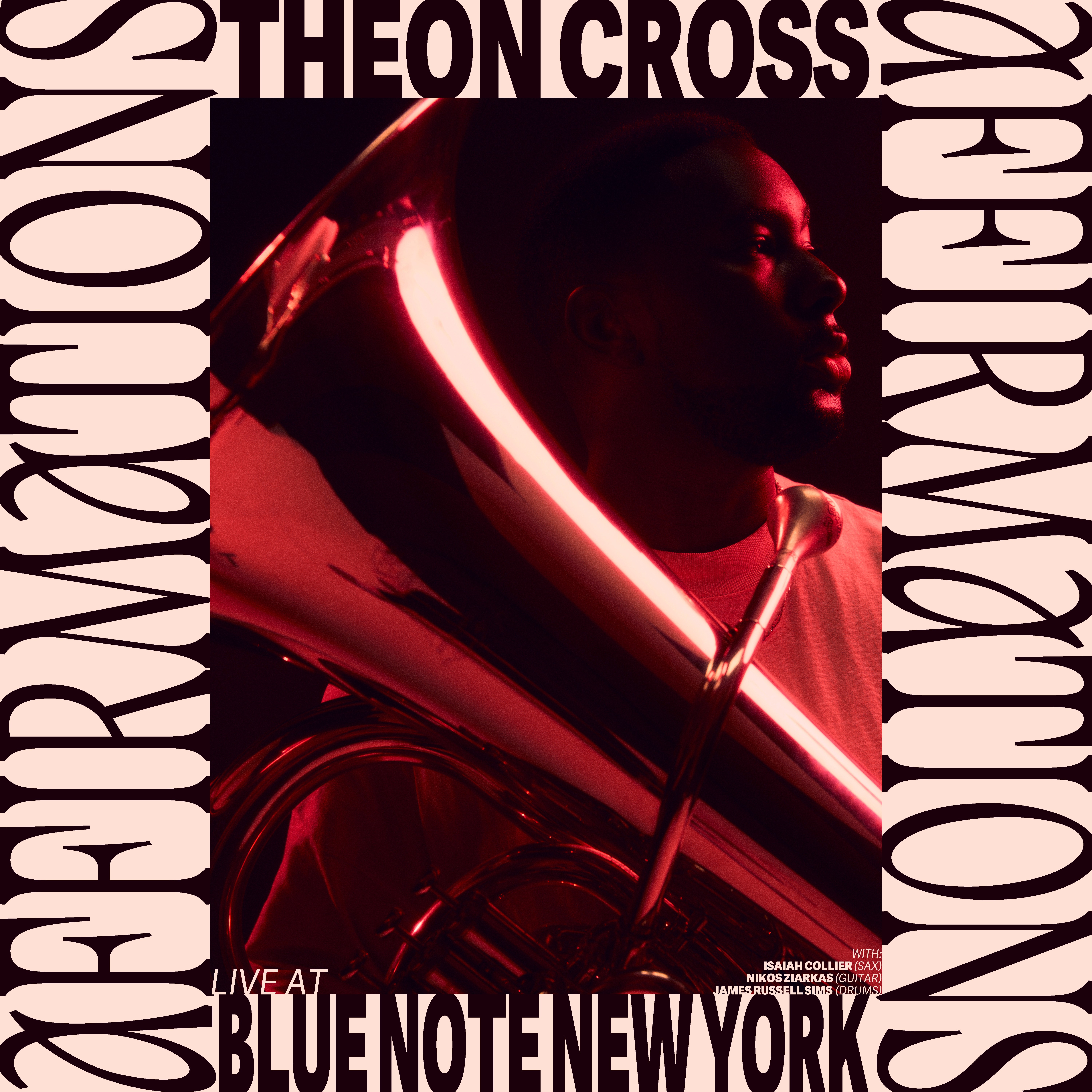
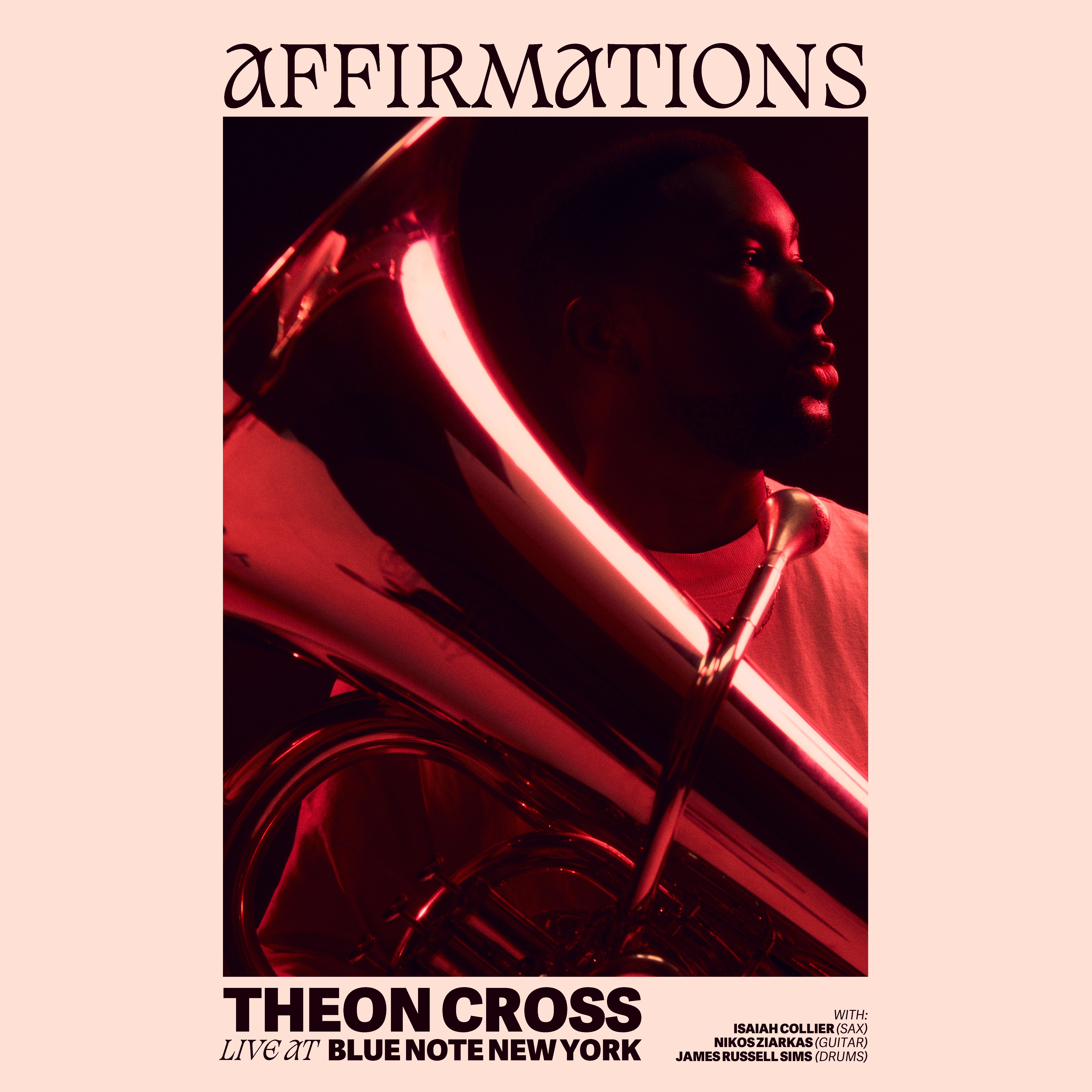
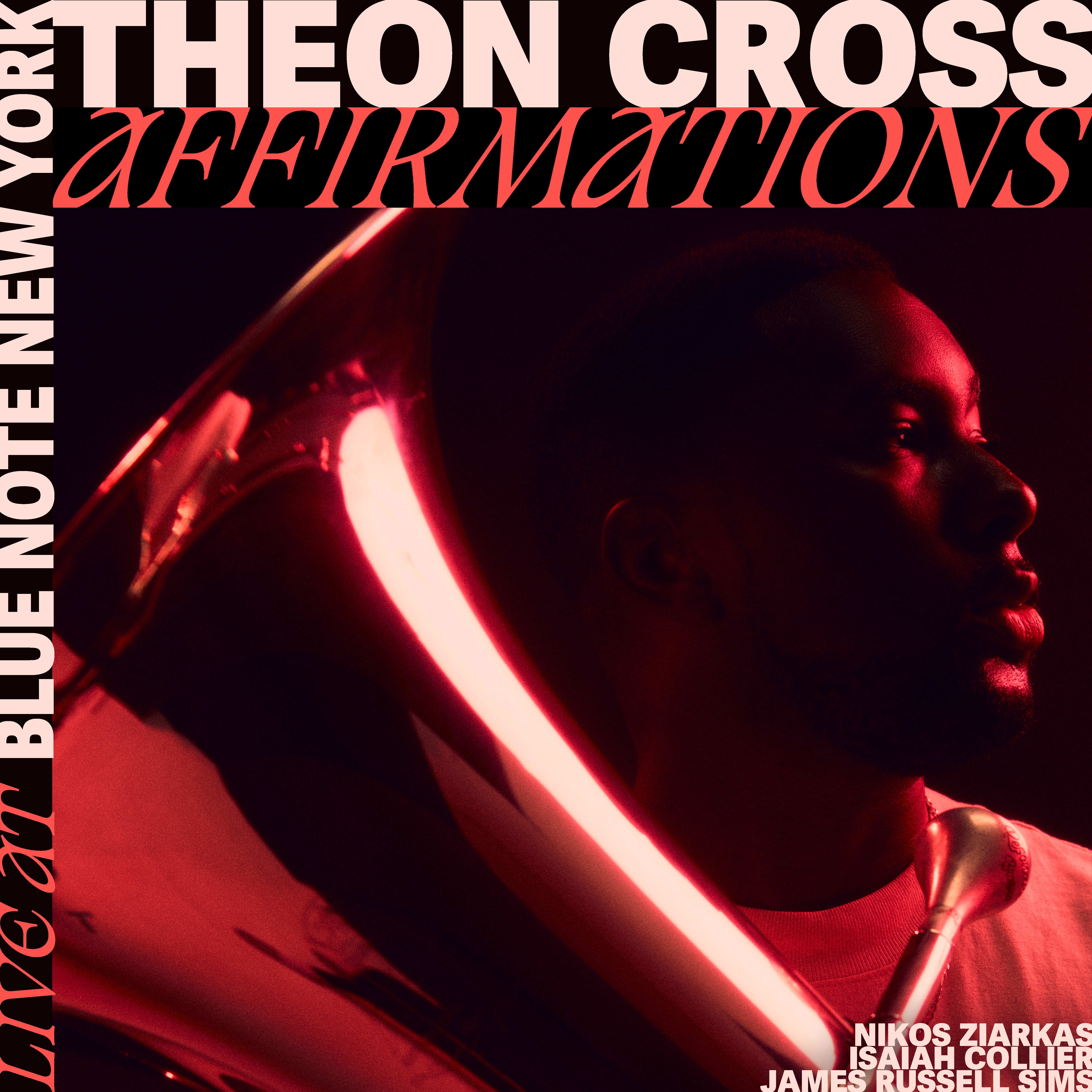
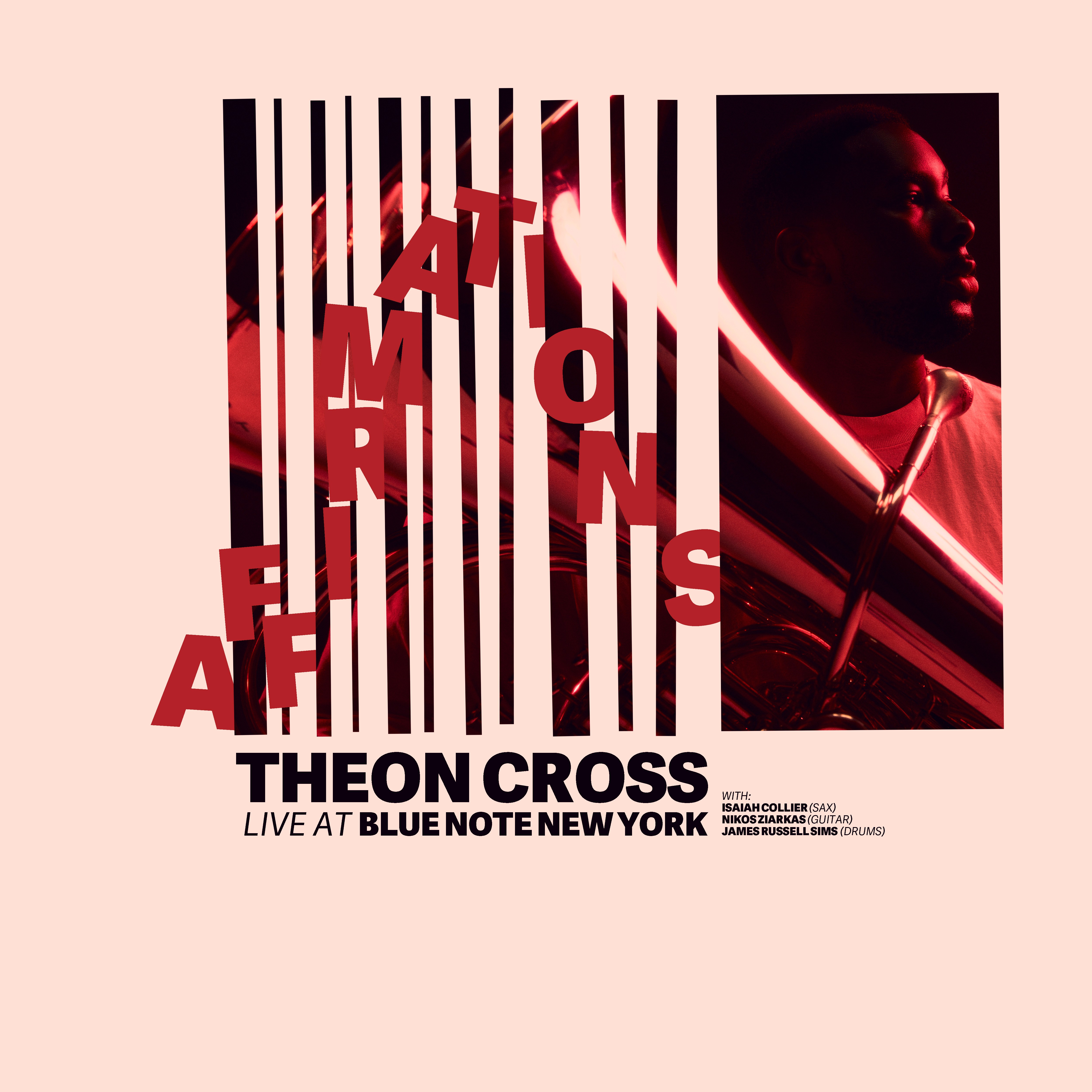
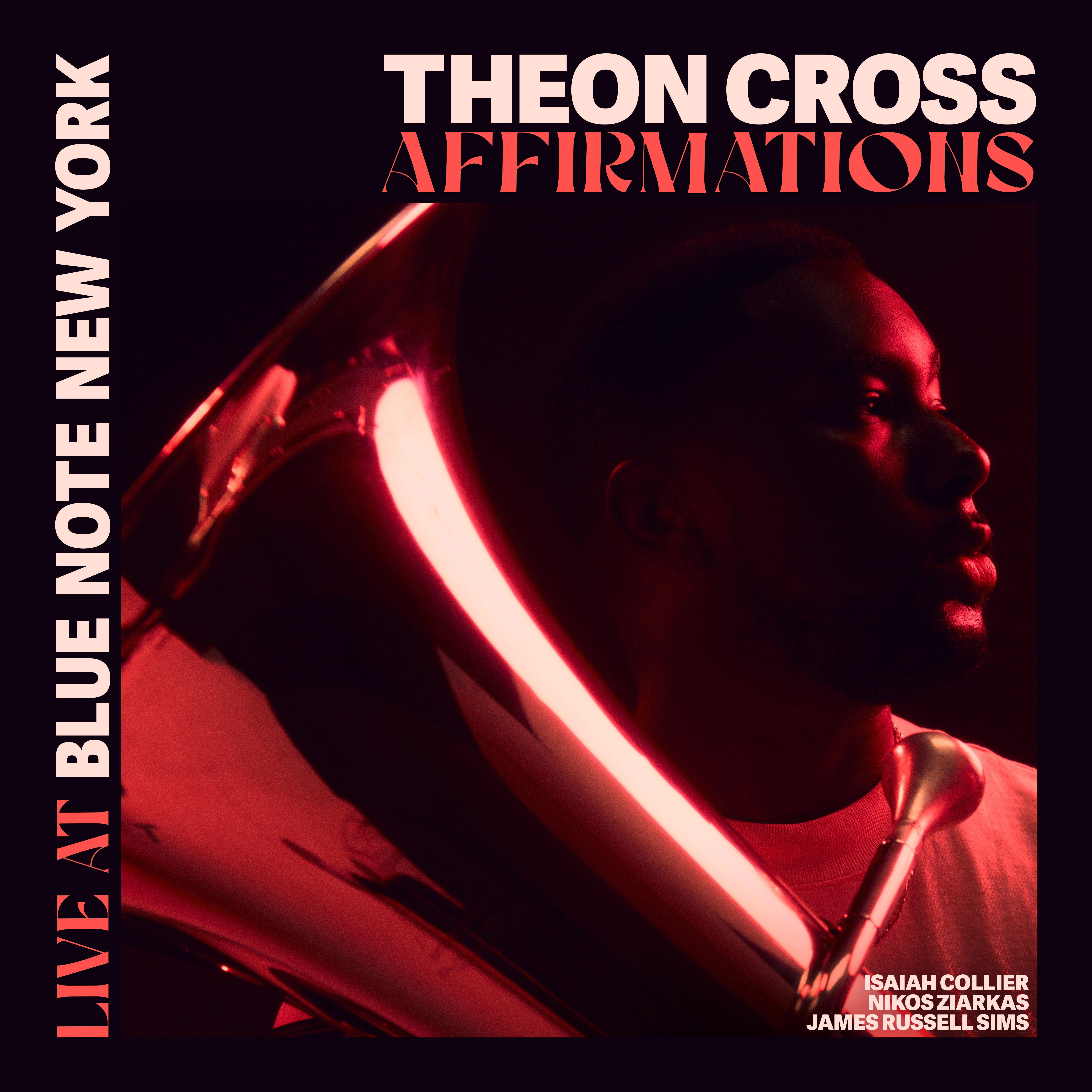
Inspired by the iconic Blue Note Jazz albums throughout the 20th Century, I worked with Theon to develop his own cover. This was a very personal project for Theon and I wanted to make something that was not only important to his fans, but was also a symbol of the moment so important to him.
“From rising sideman working the London clubs to leading his band on the storied stage of New York’s Blue Note Jazz Club, it’s been quite the journey for Theon Cross.
As purposeful as any studio record, the music is pushed by effects pedals and the mix into ferocious distortion and limpid clarity, coining a contemporary fusion incorporating grime, hip-hop and dub. Cross’s revolutionary tuba-playing is the heart and soul, with its deep rhythm and dexterous, dancing solos. Consciously joining a New York live lineage including Sonny Rollins’ A Night at the Village Vanguard (1959), which Cross studied closely as a young man, it’s also a major breakthrough for the South London scene he helped forge.” - JAZZWISE
Inspired by the iconic Blue Note Jazz albums throughout the 20th Century, I worked with Theon to develop his own cover. This was a very personal project for Theon and I wanted to make something that was not only important to his fans, but was also a symbol of the moment so important to him.
“From rising sideman working the London clubs to leading his band on the storied stage of New York’s Blue Note Jazz Club, it’s been quite the journey for Theon Cross.
As purposeful as any studio record, the music is pushed by effects pedals and the mix into ferocious distortion and limpid clarity, coining a contemporary fusion incorporating grime, hip-hop and dub. Cross’s revolutionary tuba-playing is the heart and soul, with its deep rhythm and dexterous, dancing solos. Consciously joining a New York live lineage including Sonny Rollins’ A Night at the Village Vanguard (1959), which Cross studied closely as a young man, it’s also a major breakthrough for the South London scene he helped forge.” - JAZZWISE
Inspired by the iconic Blue Note Jazz albums throughout the 20th Century, I worked with Theon to develop his own cover. This was a very personal project for Theon and I wanted to make something that was not only important to his fans, but was also a symbol of the moment so important to him.







the process
When it came to jazz album covers, Blue Note was unequivocally the market leader in the 50s and 60s. In its dedication to excellence in every aspect of record-making, the label’s packaging – consisting of an enticing front cover picture and obligatory sleevenotes on the back – undoubtedly matched the high quality of its music. While Blue Note’s co-founder Francis Wolff provided the photographs of the label’s musicians, it was Reid Miles.
Inspired by Miles’ style I wanted to create a typographic focussed design that incorporated a lot of negative space and helped the photography by Ian Hippolyte.
When it came to jazz album covers, Blue Note was unequivocally the market leader in the 50s and 60s. In its dedication to excellence in every aspect of record-making, the label’s packaging – consisting of an enticing front cover picture and obligatory sleevenotes on the back – undoubtedly matched the high quality of its music. While Blue Note’s co-founder Francis Wolff provided the photographs of the label’s musicians, it was Reid Miles.
Inspired by Miles’ style I wanted to create a typographic focussed design that incorporated a lot of negative space and helped the photography by Ian Hippolyte.
When it came to jazz album covers, Blue Note was unequivocally the market leader in the 50s and 60s. In its dedication to excellence in every aspect of record-making, the label’s packaging – consisting of an enticing front cover picture and obligatory sleevenotes on the back – undoubtedly matched the high quality of its music. While Blue Note’s co-founder Francis Wolff provided the photographs of the label’s musicians, it was Reid Miles.
Inspired by Miles’ style I wanted to create a typographic focussed design that incorporated a lot of negative space and helped the photography by Ian Hippolyte.
When it came to jazz album covers, Blue Note was unequivocally the market leader in the 50s and 60s. In its dedication to excellence in every aspect of record-making, the label’s packaging – consisting of an enticing front cover picture and obligatory sleevenotes on the back – undoubtedly matched the high quality of its music. While Blue Note’s co-founder Francis Wolff provided the photographs of the label’s musicians, it was Reid Miles.
Inspired by Miles’ style I wanted to create a typographic focussed design that incorporated a lot of negative space and helped the photography by Ian Hippolyte.